
The Ethiopian Coffee and Tea Authority (ECTA), in collaboration with the Ministry of Labor and Skills, has officially unveiled a National Occupational Standard (OS) designed to certify and validate the competency of professionals within the coffee industry.
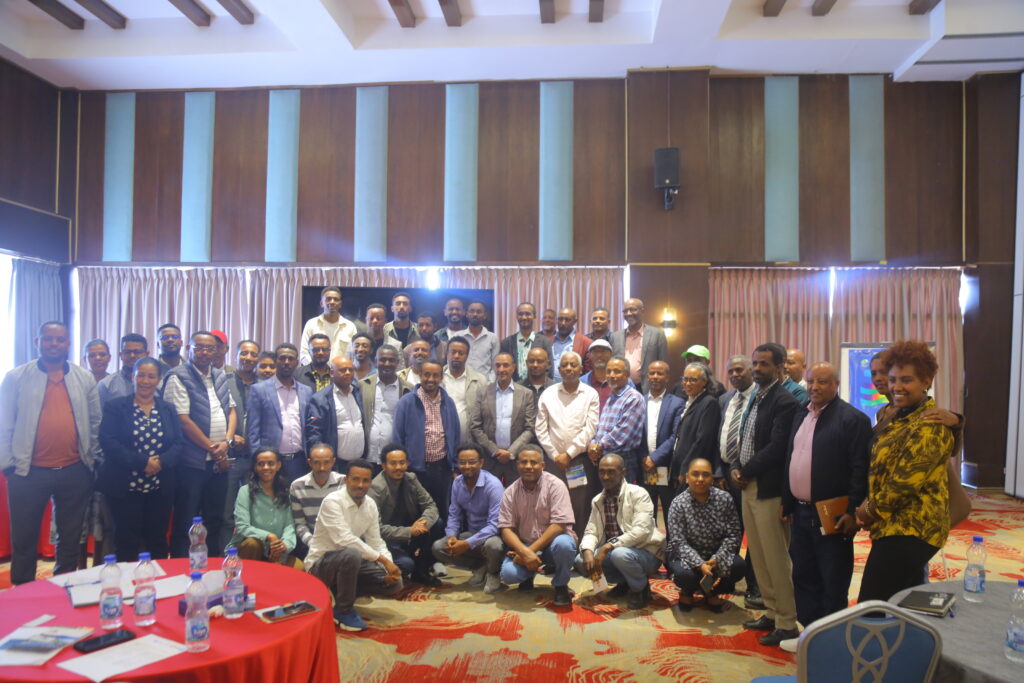
The announcement was made during a high-level stakeholder consultative forum held on April 4, 2026 (Meggabit 26, 2018 EC). The event brought together senior government officials, regional representatives, sector associations, university scholars, and international development partners to review the newly drafted standards.

Speaking at the forum, His Excellency Adugna Debela (Phd) Director General of the Ethiopian Coffee and Tea Authority, emphasized that the Authority has been taking decisive measures to address deep-rooted challenges in coffee development and marketing. He noted that these reforms are already yielding tangible results. He also mentioned that the establishment of the National Coffee Training Center as a landmark achievement, specifically aimed at modernizing post-harvest handling and preservation. The introduction of the Occupational Standard is the next logical step in this modernization journey.

Why the New Occupational Standard Matters
According to the Authority, the development of the OS was driven by three primary objectives:
International Excellence: To ensure that the training provided at the National Coffee Training Center meets global benchmarks. Uniformity: To create a consistent, nationwide measurement for professional competence across the coffee value chain. Global Competitiveness: To empower Ethiopian coffee professionals with recognized certifications, making them competitive and respected in the international labor market.
The “Backbone” of the Sector
The Director General extended his gratitude to the experts and stakeholders involved in the preparation of the document. He expressed confidence that once the standard is formally ratified and implemented in the near future, it will serve as the “backbone” for the sustainable growth and professionalization of Ethiopia’s most vital export commodity.
By bridging the gap between traditional practices and modern technical skills, this initiative is expected to enhance the quality of Ethiopian coffee from farm to cup, ensuring the country maintains its status as a world leader in the coffee industry.
Reported by: Sahlemariam G/medhin